
PMDA-ATC Pharmaceuticals Review Webinar 2025
PMDA-ATC organized a webinar on pharmaceuticals review. It was held online, from 9 to 11 December 2025. The virtual event was coordinated for pharmaceuticals review officials at regulatory agencies around the world. Thirty-four regulators from Azerbaijan, Egypt, El Salvador, Hong Kong, Indonesia, Laos, Malaysia, Peru, Philippines, Saudi Arabia, Thailand, Uganda, and Uzbekistan participated.
The seminar started with an overview of pharmaceuticals review in Japan, about drug categorization, approval types, review process, and report format. Lectures followed on frameworks/review practices of generic, biosimilar, OTC and quasi drugs. Special sessions featuring bioequivalence (BE) studies and BE guidelines for drugs were incorporated. One session was for sharing participants’ input about drug classification, generic drugs applicants, ICH guidelines implementation status, and issues and challenges faced in their respective countries and regions. Seven PMDA staff members served as lecturers. (see the program for details[171KB])
The webinar opened with welcome remarks by Dr. KONDO Emiko, Senior Executive Director of PMDA, and Director of the Asia Training Center for Pharmaceuticals and Medical Devices Regulatory Affairs (PMDA-ATC). Dr Kondo also congratulated the participants at the closing. Confirmed participants were all conferred with a digital certificate of participation.

Dr Kondo – Director, PMDA-ATC
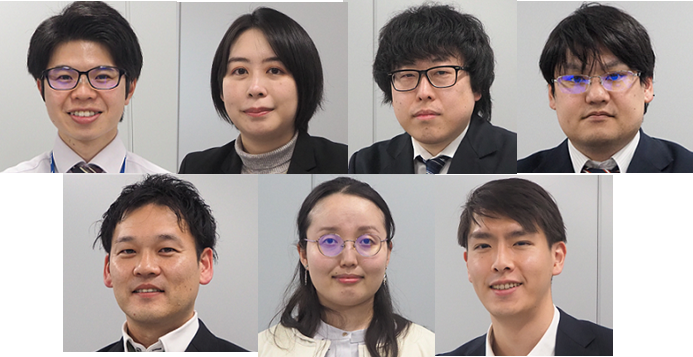
PMDA lecturers
Comments from the participants:
“The presenters succeeded in breaking down complex regulatory procedures into understandable concepts.”
“I will apply what I learned by sharing the key insights and information with my colleagues through a sharing session, so we can all benefit from the knowledge and improve our work together.”
“It was very interesting to observe how, globally, we share a product-associated risk-based evaluation perspective and how pharmaceutical classifications are quite similar across different jurisdictions, with some minor variations.”
“This course has clarified some doubts, especially regarding the evaluation of bioequivalence studies, and helps us strengthen our progress.”
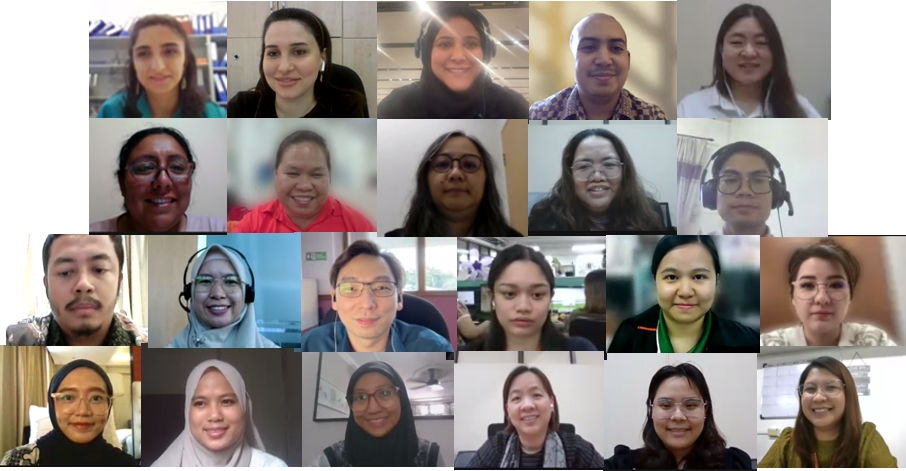
Participants